petroleum coke
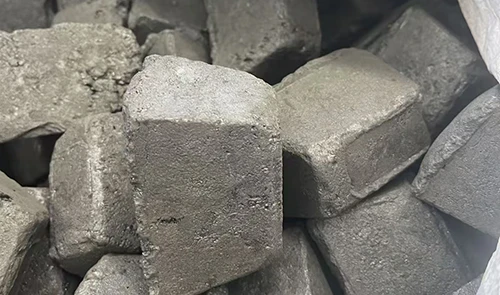
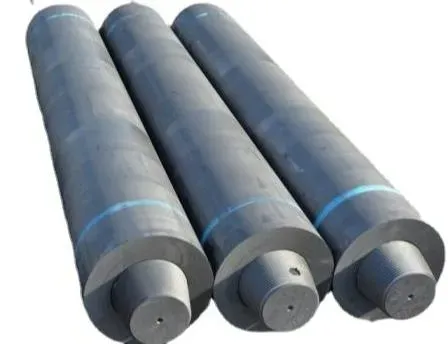
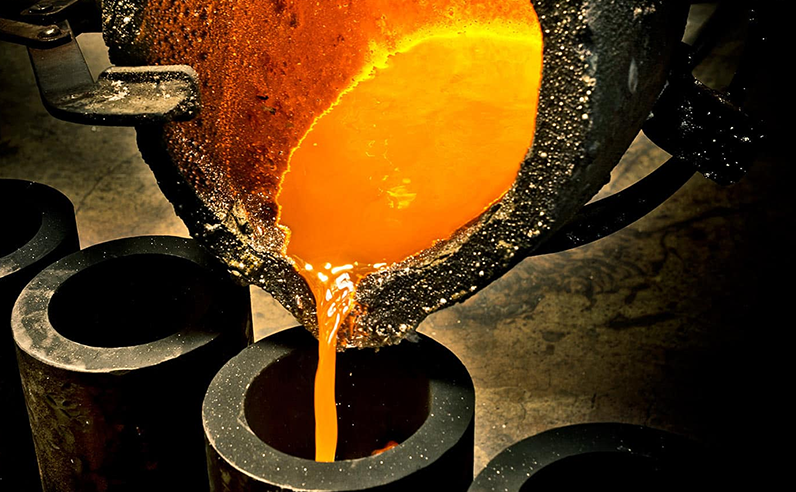
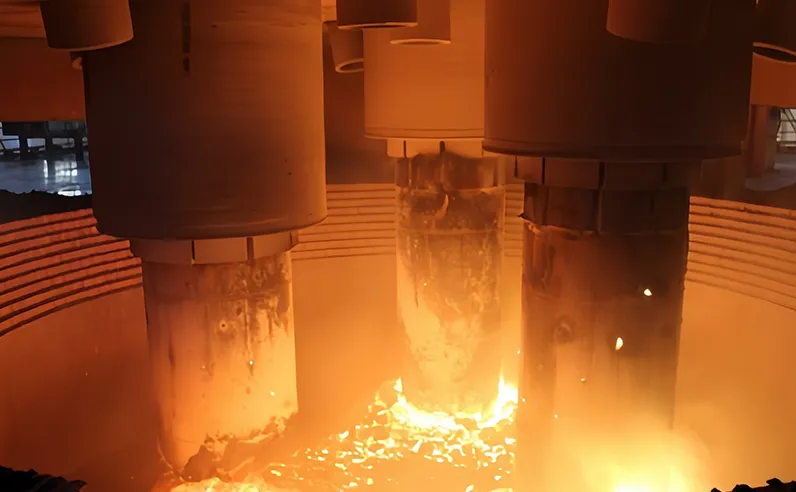
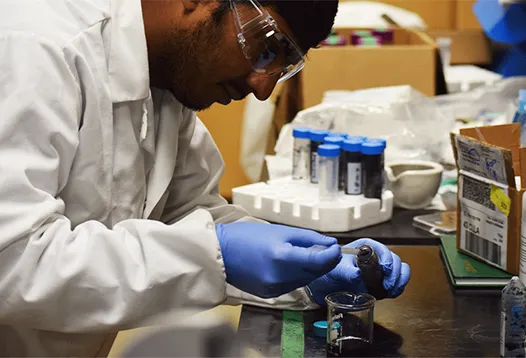
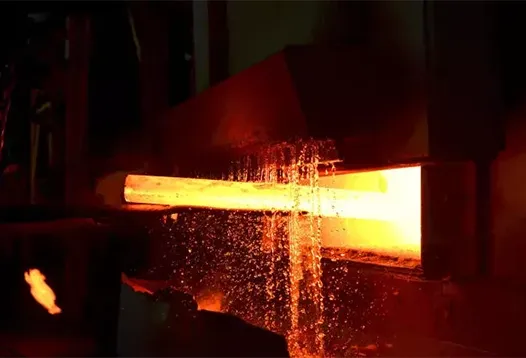
Understanding Petroleum Coke: A Critical Industrial Carbon Source Petroleum coke , often abbreviated as petcoke, is a carbon-rich solid material derived from the oil refining coking process. It represents the final carbonaceous residue produced during the cracking of heavy hydrocarbon fractions such as vacuum residuum and decant oil. This versatile material is highly valued across numerous industries for its high carbon content, low impurity profile, and significant energy density. Its applications range from a primary fuel source in power generation and cement kilns to a crucial raw material in the manufacturing of graphite electrodes, anodes for aluminum smelting, and carburizers for the steel industry. As a key component in advanced metallurgical processes, its precise specifications are paramount for achieving optimal performance and efficiency. The demand for high-quality petcoke products, including its refined forms like calcined petroleum coke (CPC) and graphite petroleum coke (GPC), continues to grow as industries strive for greater material purity and operational cost-effectiveness. Our focus is on providing tailored carburant solutions, with customizable particle sizes, to meet the stringent requirements of the casting and metallurgical sectors, ensuring enhanced carbon recovery and superior product quality. Industry Trends and Market Dynamics The global market for petroleum coke is experiencing dynamic shifts, driven by evolving environmental regulations, advancements in material science, and fluctuating energy prices. A significant trend is the increasing emphasis on high-purity grades, such as calcined petroleum coke (CPC) and graphite petroleum coke (GPC), due to their critical role in the electric vehicle battery industry (anode materials), solar panel production, and high-performance alloy manufacturing. The demand for these specialized forms is outpacing that of fuel-grade petcoke, which faces scrutiny due to sulfur emissions. Sustainability Imperatives: Stricter environmental policies are pushing refiners to adopt technologies that minimize sulfur and heavy metal content in petcoke, aligning with global efforts to reduce industrial pollution. Technological Advancements: Innovations in coking technology allow for better control over the physical and chemical properties of green coke, leading to superior quality calcined products. Market Diversification: While aluminum and steel industries remain major consumers, emerging applications in advanced ceramics, composites, and energy storage are creating new growth avenues. Supply Chain Optimization: Global geopolitical factors and logistics challenges are prompting industries to seek reliable suppliers capable of ensuring consistent quality and timely delivery. The market is projected to grow at a Compound Annual Growth Rate (CAGR) of approximately 4-6% over the next five years, driven primarily by the metallurgical sector's persistent demand for carbon additives and the burgeoning battery industry. This growth underscores the strategic importance of securing a consistent supply of quality petroleum coke . Detailed Manufacturing Process Flow The production of high-quality carbon products from petroleum coke involves several critical stages, each optimized to yield specific material properties required by diverse industrial applications. Our Carburant product begins its journey as green petroleum coke, a byproduct of the delayed coking process in oil refineries. Stage 1: Delayed Coking (Green Coke Production) This initial stage involves heating heavy oil residuum to high temperatures (typically 480-500°C) in a coker furnace and then feeding it into a large, insulated coking drum. Under carefully controlled conditions, the heavy hydrocarbons undergo thermal cracking and polymerization, forming lighter products that vaporize and solid coke that accumulates in the drum. This raw solid material is known as 'green coke'. Key parameters monitored include feed quality, temperature, and residence time, which dictate the structure and quality of the green coke, impacting its volatile matter and sulfur content. Stage 2: Calcination (Producing Calcined Petroleum Coke - CPC) Green coke, rich in volatile matter and moisture, is not suitable for most critical applications. Calcination is a high-temperature thermal treatment process (1100-1350°C) typically carried out in rotary kilns or shaft kilns. During calcination, volatile hydrocarbons are driven off, moisture is removed, and the coke structure is densified. This process significantly reduces electrical resistivity, increases real density, and enhances mechanical strength. The resulting product is calcined petroleum coke (CPC), a dense, highly crystalline carbon material. Materials: High-quality green petroleum coke with specific sulfur and metal content. Process Control: Precise temperature profiles, residence time, and atmosphere control are critical to avoid graphitization or excessive oxidation. Testing Standards: Adherence to ASTM D480, ASTM D6374, and ISO 1298 standards for volatile matter, sulfur, ash content, and real density ensures product consistency and quality. Stage 3: Graphitization (Producing Graphite Petroleum Coke - GPC) For specialized applications requiring even higher purity and electrical conductivity, CPC undergoes further thermal treatment in a graphitization furnace at temperatures exceeding 2500°C, sometimes up to 3000°C. This process transforms the amorphous carbon structure into a highly ordered, crystalline graphite lattice. Graphite petroleum coke (GPC) exhibits exceptionally low electrical resistivity, high thermal conductivity, and superior resistance to thermal shock. Stage 4: Sizing and Packaging Following calcination or graphitization, the large lumps of coke are crushed, screened, and sized according to customer specifications. Our Carburant product offers customizable particle sizes, crucial for optimizing carbon dissolution rates in various melting furnaces. Strict quality control ensures uniform particle distribution and minimal fines. Customization: Particle sizes ranging from fine powders to coarse granules (e.g., 0-1mm, 1-5mm, 5-10mm, 10-25mm) are available. Quality Assurance: Each batch undergoes rigorous testing for carbon content, sulfur, ash, volatile matter, and moisture to meet ISO 9001 certified quality management standards. The target industries for our high-quality carburants derived from petroleum coke primarily include the metallurgical sector (steelmaking, foundries), petrochemical industry (anode production), and advanced material manufacturing. Our products are designed for superior performance in scenarios requiring energy saving, precise carbon control, and enhanced material properties. Technical Specifications and Parameters The performance of petroleum coke as a carburant or raw material is critically defined by its chemical and physical properties. Understanding these specifications is paramount for industrial applications, where precise control over material composition and characteristics directly impacts final product quality and process efficiency. Below are typical parameters for calcined petroleum coke (CPC) and graphite petroleum coke (GPC), which form the basis of our premium carburant products. Typical Product Specifications: Calcined Petroleum Coke (CPC) Parameter Unit Typical Value (High Purity CPC) Testing Standard Fixed Carbon % > 98.5 ASTM D3172 Sulfur Content % < 0.5 (low sulfur grade) ASTM D4239 Ash Content % < 0.3 ASTM D3174 Volatile Matter % < 0.5 ASTM D3175 Real Density g/cm³ > 2.05 ASTM D2638 Resistivity µΩ·m 500-700 Internal Standard Typical Product Specifications: Graphite Petroleum Coke (GPC) Parameter Unit Typical Value (High Purity GPC) Testing Standard Fixed Carbon % > 99.0 ASTM D3172 Sulfur Content % < 0.03 (ultra low sulfur) ASTM D4239 Ash Content % < 0.1 ASTM D3174 Volatile Matter % < 0.1 ASTM D3175 Real Density g/cm³ > 2.10 ASTM D2638 Resistivity µΩ·m 10-50 Internal Standard These specifications highlight the superiority of GPC for applications demanding extreme purity and electrical conductivity, contrasting with CPC's broader utility in aluminum smelting and steelmaking. Our products consistently meet or exceed these benchmarks, ensuring reliability for critical industrial processes. Key Application Scenarios The diverse properties of petroleum coke , particularly its calcined and graphitized forms, enable its deployment across a wide array of demanding industrial applications. Our carburant products are specifically engineered to excel in the following sectors: Metallurgical Industry (Steelmaking and Foundries): Carburizing Agent: High-purity calcined and graphite petroleum coke are essential for increasing the carbon content in molten iron and steel. This is critical for producing various grades of cast iron (gray iron, ductile iron) and steel, directly impacting their strength, hardness, and machinability. The rapid dissolution rate and high carbon recovery of our carburants ensure efficient alloying and reduced processing times. Reducing Agent: In electric arc furnaces (EAFs), petcoke acts as a reducing agent, converting iron oxides into metallic iron, and contributing to the slag foaming process which protects electrodes and enhances thermal efficiency. Aluminum Industry: Anode Production: Calcined petroleum coke (CPC) is the primary raw material for manufacturing pre-baked anodes and Soderberg anodes used in the Hall-Héroult process for aluminum smelting. Its low sulfur, ash, and heavy metal content are crucial for producing high-purity aluminum and minimizing environmental impact. Graphite Electrode Manufacturing: Electrodes for EAFs: Both calcined and graphite petroleum coke are key constituents in the production of graphite electrodes, which conduct electricity to melt scrap steel in EAFs. High-quality petcoke ensures the electrodes have sufficient mechanical strength, electrical conductivity, and resistance to thermal shock. Chemical Industry: Titanium Dioxide (TiO2) Production: Green petroleum coke serves as a reducing agent in the chloride process for TiO2 production. Silicon Carbide (SiC) Production: High-purity petcoke is used in the manufacturing of silicon carbide, an important abrasive and ceramic material. In each of these scenarios, the specific properties—such as fixed carbon, sulfur content, volatile matter, and particle size—of the petroleum coke derivative are meticulously matched to the process requirements to optimize efficiency and end-product quality. Technical Advantages and Performance Benefits Our carburant products, derived from meticulously processed high-quality petroleum coke , offer significant technical advantages that translate into superior performance and economic benefits for our clients in casting and metallurgy. Exceptional Carbon Recovery Rate: Our carburants boast high fixed carbon content (>98.5% for CPC, >99% for GPC) and optimized particle morphology, leading to carbon recovery rates often exceeding 95% in induction furnaces and cupolas. This minimizes waste and reduces the amount of material needed, directly contributing to energy saving and cost reduction. Low Impurity Profile: With ultra-low sulfur (<0.05% for premium grades) and ash content (<0.3%), our petroleum coke derivatives prevent undesirable elements from entering the molten metal. This is crucial for producing high-grade steels and castings free from embrittlement or other defects caused by sulfur, and minimizing slag formation. Rapid Dissolution Kinetics: The carefully controlled particle size distribution and crystalline structure of our carburants ensure fast and uniform dissolution into the melt. This reduces holding times, increases furnace throughput, and prevents localized carbon segregation. Enhanced Melt Quality: By introducing a high-purity carbon source, our products help achieve precise carbon specifications, leading to improved mechanical properties (e.g., tensile strength, ductility) and microstructural integrity in the final cast products. Reduced Operational Costs: High efficiency in carbon recovery, coupled with less need for fluxing agents due to low ash, contributes to overall operational cost savings. The consistency of our product also reduces batch-to-batch variation, streamlining production. Corrosion Resistance in Applications: For applications using graphite electrodes (made from petcoke), the inherent chemical inertness and corrosion resistance of graphite ensure longer service life and stability in aggressive environments, such as those found in chemical processing or molten metal baths. Vendor Comparison: Choosing the Right Petroleum Coke Supplier Selecting a reliable supplier for petroleum coke derivatives is crucial for maintaining production consistency and product quality. A thorough vendor comparison should extend beyond mere price points to encompass critical factors that ensure long-term value and operational stability. Key Comparison Parameters for Petcoke Suppliers Feature Competitor A (Standard) Competitor B (Value) Our Offering (Premium) Product Purity (Fixed Carbon) ~97% ~98% >98.5% (CPC), >99.0% (GPC) Sulfur Content >0.8% 0.5-0.8% <0.5% (CPC), <0.03% (GPC) Ash Content >0.5% 0.3-0.5% <0.3% (CPC), <0.1% (GPC) Particle Size Customization Limited standard sizes Some flexibility Full range, precisely tailored Consistency (Batch-to-Batch) Moderate Good Exceptional, ISO 9001 certified Technical Support Basic Responsive Dedicated, expert-level consultation Lead Time & Reliability Variable Good Guaranteed, streamlined logistics Our commitment to quality, backed by stringent testing and an extensive track record, positions us as the preferred partner for industries demanding the highest standards in carbon products. We focus on delivering not just a product, but a comprehensive solution that integrates seamlessly into your manufacturing process, optimizing efficiency and profitability. Customized Solutions for Specialized Applications Recognizing that every industrial process has unique demands, we specialize in providing highly customized petroleum coke -based carburant solutions. Our engineering team works closely with clients to understand their specific operational parameters and metallurgical requirements, ensuring the delivery of a product that perfectly aligns with their needs. Particle Size Optimization: We offer a wide range of customizable particle sizes, from fine powders (e.g., <1mm for rapid surface carbonization) to coarser granules (e.g., 5-10mm or 10-25mm for deeper melt penetration in larger furnaces). This customization is critical for controlling dissolution rates, minimizing dusting, and maximizing carbon recovery in diverse melting units, including induction furnaces, electric arc furnaces, and cupolas. Purity and Impurity Control: Beyond standard grades, we can fine-tune the purity levels, specifically managing sulfur, ash, and volatile matter content to meet extremely stringent specifications for high-alloy steels, aerospace components, or nuclear applications. For instance, ultra-low sulfur grades (<0.01%) can be developed to prevent sulfur-induced embrittlement in sensitive alloys. Surface Treatment and Coating: For certain applications, specialized surface treatments or coatings can be applied to the coke particles to enhance wettability, improve dispersion, or protect against oxidation during handling and storage. Packaging Solutions: From bulk bags and supersacks to smaller, custom-weighted packages, we provide flexible packaging options designed to optimize your material handling, storage efficiency, and reduce operational waste. Technical Consultation and Support: Our expertise extends beyond product delivery. We provide comprehensive technical consultation, assisting clients in selecting the optimal carburant grade and particle size, and offering guidance on application methods to achieve desired metallurgical outcomes. Our agile manufacturing processes and deep technical knowledge allow us to adapt quickly to evolving industry demands, providing bespoke solutions that drive innovation and efficiency for our partners. Application Case Studies Our commitment to delivering high-performance petroleum coke -based carburants is best demonstrated through successful real-world applications. These case studies highlight the tangible benefits our products bring to diverse industrial operations. Case Study 1: Enhanced Ductile Iron Production A major automotive casting manufacturer faced challenges in consistently achieving the desired graphite morphology and mechanical properties in their ductile iron castings, alongside high sulfur pickup from their conventional carburizer. After a detailed consultation, we recommended a customized, ultra-low sulfur (0.02% max), high-purity graphite petroleum coke (GPC) carburant with a specific particle size distribution (1-5mm). Result: The client observed a significant reduction in sulfur contamination (>50% decrease), leading to fewer chill defects and improved nodularity of graphite. Carbon recovery increased by 8%, translating to a 12% reduction in carburant consumption and a noticeable improvement in tensile strength and elongation in their final ductile iron components. Case Study 2: Optimized Steelmaking in EAF A specialty steel producer struggled with variable carbon pickup rates and excessive dusting from their existing calcined petroleum coke supplier, impacting both material cost and environmental compliance. We implemented a tailored high-density calcined petroleum coke (CPC) with a wider particle size range (0-10mm) and enhanced anti-dusting treatment. Result: The new carburant led to a more consistent carbon dissolved in steel, reducing off-spec heats by 15%. Dusting was reduced by 30%, improving workplace air quality and minimizing material loss. Furthermore, the stable carbon introduction contributed to better slag foaming, extending electrode life by 7% and achieving an overall 5% energy saving due to more stable arc operation. These cases exemplify how precise product engineering and collaborative technical support can significantly enhance operational efficiency and product quality in demanding industrial environments. Frequently Asked Questions (FAQ) Q1: What is the primary difference between Calcined Petroleum Coke (CPC) and Graphite Petroleum Coke (GPC)? A1: CPC is produced by heating green petroleum coke to approximately 1100-1350°C, removing volatile matter and increasing density. GPC undergoes further high-temperature treatment (2500-3000°C) which graphitizes the carbon structure, resulting in significantly higher purity, lower electrical resistivity, and improved thermal conductivity. GPC is ideal for ultra-high purity applications like specialty electrodes or advanced composites. Q2: How does particle size affect the performance of your carburant products? A2: Particle size significantly impacts the dissolution rate and carbon recovery. Finer particles (<1mm) offer faster dissolution but can lead to more dusting and surface oxidation. Coarser particles (e.g., 5-10mm) provide slower, more controlled carbon pickup and are often preferred for larger melts or specific furnace types to prevent excessive carbon boil and ensure deeper penetration into the melt. We customize particle sizes to optimize these factors for your specific furnace and process. Q3: What are your typical lead times for custom orders? A3: For standard grades and sizes, our lead time typically ranges from 1-3 weeks, depending on order volume and current inventory. For highly customized solutions, lead times can range from 3-6 weeks, allowing for specific processing and quality checks. We work closely with clients to establish realistic schedules and ensure timely delivery, leveraging our robust supply chain and production capabilities. Q4: What quality assurance certifications do you hold, and what is your warranty policy? A4: We operate under an ISO 9001 certified Quality Management System, ensuring consistent product quality and process control. All our products undergo rigorous testing against industry standards (e.g., ASTM, ISO) before shipment, and a Certificate of Analysis (COA) is provided with every batch. We guarantee that our products will meet the agreed-upon specifications. In the unlikely event of a material defect or non-conformance, we offer a comprehensive warranty, including replacement or credit, subject to our standard terms and conditions. Q5: Do you provide technical support and after-sales service? A5: Absolutely. Our dedicated team of metallurgists and technical experts offers comprehensive support from initial consultation and product selection to application optimization and troubleshooting. We are committed to fostering long-term partnerships and ensuring our clients achieve maximum value from our products. Our after-sales service includes ongoing technical assistance, process optimization advice, and responsive customer support for any inquiries or challenges. Conclusion The demand for high-performance carbon solutions in the metallurgical and casting industries continues to grow, driven by stringent quality requirements and efficiency targets. Our range of carburant products, meticulously processed from high-quality petroleum coke , offers unparalleled purity, precise particle size customization, and reliable performance. By partnering with us, industrial clients gain access to not only superior materials but also comprehensive technical expertise and dedicated customer support, ensuring optimized operations and consistent excellence in their final products. We are committed to being your trusted partner in achieving metallurgical precision and efficiency. References American Society for Testing and Materials (ASTM) International Standards. Various standards related to carbon materials and petroleum products. International Organization for Standardization (ISO). ISO 9001: Quality management systems and related standards for industrial processes. Speight, J.G. (2014). The Chemistry and Technology of Petroleum. CRC Press. Bhatia, S.C. (2005). Petroleum Refinery Engineering. Firewall Media. United States Environmental Protection Agency (EPA). Information on petroleum coke emissions and regulations.